
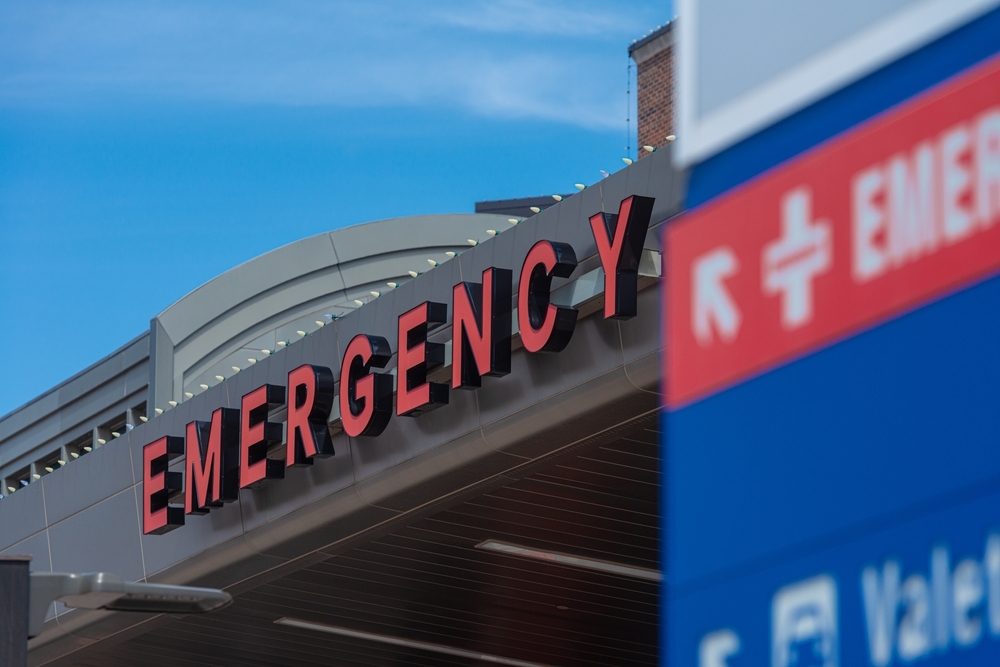
The holiday season is supposed to be a time for family, travel, and celebration. Unfortunately, it is also one of the busiest times of year for hospital emergency rooms in New Jersey and across the country. Respiratory viruses surge, winter weather contributes to crashes and falls, and many people delay care until symptoms become unbearable. The result is a perfect storm of overcrowded emergency departments, longer wait times, and stressed clinical teams making high-stakes decisions under intense pressure.
When an emergency room is overwhelmed, the risk of preventable mistakes increases. Those mistakes can have life-changing consequences, especially when they involve missed stroke symptoms, delayed heart attack treatment, medication errors, or premature discharge. At The Law Offices of Andres, Berger & Tran, we represent individuals and families whose lives were upended by preventable medical errors, including emergency room negligence, hospital malpractice, and doctor negligence in South Jersey.
This article explains why holiday overcrowding happens, what types of dangerous errors are more likely when emergency departments are strained, and what you can do if you suspect an avoidable medical mistake harmed you or someone you love.
Why Emergency Rooms Get Overcrowded During the Holidays
Emergency rooms do not become crowded for just one reason. During the holidays, multiple factors often collide at once.
Seasonal illness spikes drive more ER visits
Cold and flu season is not just an inconvenience. When influenza and RSV rise, more people seek urgent care for breathing trouble, high fevers, dehydration, and complications in children and older adults. The CDC has reported increasing RSV activity and increasing seasonal influenza activity in many parts of the country, which contributes to higher demand for urgent medical care.
Staffing and capacity strain
Hospitals operate with finite staffing, beds, and treatment spaces. During the holidays, staffing may be tighter because clinicians also have families, travel plans, and illness exposure. Even with full clinical teams, a shortage of inpatient beds can keep patients in the emergency department for hours or longer while they wait for placement.
Boarding slows everything down
A major driver of ER gridlock is boarding, which happens when patients who should be admitted remain in the emergency department because there are no inpatient beds available. The Agency for Healthcare Research and Quality has warned that boarding is associated with serious impacts such as increased medical errors, delays in care delivery, and excess in-hospital mortality.
Winter hazards add to the surge
Car crashes, slip and falls, alcohol-related injuries, and holiday cooking accidents all add to the patient volume. When the waiting room is full and treatment bays are occupied, the system can become overloaded quickly.
How Overcrowding Creates Real Patient Safety Risks
Overcrowding is not just frustrating. It can be dangerous, because emergency care relies on rapid evaluation, timely testing, and constant reassessment as symptoms change.
Emergency department crowding and boarding are widely recognized patient-safety problems. When systems are stretched, several things become more likely:
- Delays in evaluation and treatment
- Communication breakdowns during handoffs
- Incomplete histories and rushed exams
- Medication and documentation mistakes
- Delayed imaging and lab results
- Premature discharge decisions
- Reduced monitoring after medications are given
In an emergency department, minutes matter. A delay that seems minor on paper can be the difference between recovery and permanent harm.
Dangerous Mistakes That Are More Likely When the ER Is Overwhelmed
When the holiday rush hits, the types of mistakes we often see in hospital malpractice and emergency care negligence claims tend to follow a pattern. Here are some of the most common and most devastating.
Delayed diagnosis of time-sensitive conditions
Emergency departments are built to triage, meaning the sickest patients should be treated first. But triage only works when there is enough capacity to reassess people who are waiting. In overcrowded conditions, patients can worsen in the waiting room or in hallways without timely reevaluation.
Delays can be especially dangerous in cases involving:
- Stroke
- Heart attack
- Sepsis
- Internal bleeding
- Severe infections
- Pulmonary embolism
- Serious head injuries
A missed or delayed diagnosis can lead to lost treatment windows, avoidable complications, and long-term disability.
Medication errors and overlooked allergies
Medication mistakes are a major risk in any busy hospital setting. In an overcrowded ER, clinicians may be juggling more patients, more interruptions, and more urgent decisions. Errors can involve:
- Wrong medication
- Wrong dose
- Wrong route of administration
- Harmful drug interactions
- Failure to check allergies
- Confusion with similarly named drugs
Even one incorrect medication decision can cause severe injury, especially for older adults, children, and patients with complex medical histories.
Incomplete testing and missed abnormal results
Overcrowding can lead to delayed labs and imaging, and it can also increase the risk that an abnormal test result is not acted on quickly enough. For example, a patient may receive a partial workup, be told everything looks “fine,” and then later learn that imaging showed a concerning finding that required follow-up.
Premature discharge and unsafe discharge instructions
When beds are limited, the pressure to discharge patients can increase. But discharging too soon can be dangerous if symptoms have not stabilized, if pain is not controlled, or if the patient is at risk for rapid decline.
Unsafe discharge issues may include:
- Failure to explain warning signs that require immediate return
- Failure to arrange follow-up care when needed
- Failure to confirm the patient can safely manage at home
- Failure to reevaluate after medications or fluids
A rushed discharge is not just an inconvenience. In the wrong situation, it can be a catastrophic mistake.
Failure to monitor after treatment begins
Some emergencies are not obvious at the moment a patient walks in. Conditions evolve. After medications are given, after fluids are administered, or after a procedure, monitoring is essential. In an overcrowded ER, monitoring can become inconsistent, especially when patients are placed in hallways or overflow areas.
Red Flags That Emergency Care May Have Fallen Below the Standard of Care
Not every bad outcome means malpractice. Medicine involves risk, and emergencies are unpredictable. But certain warning signs should prompt closer attention, especially when the injury was preventable.
Examples of concerns families often report include:
- Symptoms that clearly worsened while waiting, with no reassessment
- A discharge that felt rushed or dismissive, despite ongoing severe symptoms
- Allergy information given but not reflected in the medication provided
- Conflicting instructions from different staff members
- A critical test or imaging result that was not explained or followed up on
- A later diagnosis that suggests an earlier condition was missed or ignored
If something felt “off,” you are not wrong to ask questions. Many medical malpractice cases start with a family simply trying to understand why the outcome did not match what should have happened with proper care.
Practical Steps Patients and Families Can Take During a Holiday ER Visit
We never want people to feel like they must manage their own emergency care, but there are steps that can reduce risk when the system is strained.
Bring clear, written information
If possible, have a list of:
- Current medications and dosages
- Allergies
- Chronic conditions
- Recent surgeries or hospitalizations
- Primary care doctor contact information
Be specific about symptoms and timing
Details matter in emergency medicine. Share what changed, when it changed, and what makes symptoms worse or better. If symptoms are escalating, say so clearly.
Ask about what is being ruled out
It is reasonable to ask: “What are you most concerned about?” and “What conditions are you trying to rule out?” This can clarify whether the workup is complete or whether more evaluation may be needed.
Get discharge instructions in writing
Before leaving, ask for written guidance on:
- What symptoms mean you should return immediately
- Who you should follow up with and when
- What tests were performed and what results were still pending
Even when patients do everything right, overcrowding can still lead to failures in care, and that is where legal accountability may come into play.
When Overcrowding Turns Into Medical Malpractice in New Jersey
Holiday overcrowding may explain how a mistake happened, but it does not excuse negligence. If a provider or hospital fails to meet the accepted standard of care and that failure causes harm, the situation may form the basis of a medical malpractice claim.
In general, a medical malpractice case involves showing a provider-patient relationship, negligence, causation, and damages. In New Jersey, medical malpractice claims are also subject to strict filing deadlines, and the firm’s materials emphasize that timing can be critical.
Common emergency care malpractice scenarios can include:
- Failure to diagnose or delayed diagnosis
- Medication and prescription drug errors
- Misdiagnosis of serious conditions
- Failure to monitor and respond to clinical deterioration
- Unsafe discharge decisions
- Hospital system failures that contribute to preventable harm
At The Law Offices of Andres, Berger & Tran, our practice includes hospital malpractice claims and doctor negligence cases arising from preventable medical errors.
What We Do When We Investigate ER and Hospital Negligence Claims
When a family comes to us after a serious injury, they often have the same question: “How could this have happened in a hospital?”
Our job is to dig into the details and build a case grounded in evidence. That may include:
- Reviewing medical records, triage notes, medication administration records, and imaging results
- Identifying missed warning signs, delayed orders, and breakdowns in communication
- Working with independent medical professionals who can evaluate whether care met accepted standards
- Documenting how the error caused the injury and what the long-term consequences will be
- Negotiating for fair compensation and preparing for trial when necessary
Our firm emphasizes thorough case preparation and a willingness to fight for clients across South Jersey, including Camden County and surrounding communities.
Contact The Law Offices of Andres, Berger & Tran Today for a Consultation About Your Case
If you believe you or a loved one was harmed because an emergency room was overcrowded and critical mistakes were made, we encourage you to speak with us as soon as possible. You deserve clear answers, and you deserve a legal team that will take your injuries seriously.
At The Law Offices of Andres, Berger & Tran, we fight for people injured by medical negligence in Camden County, Gloucester County, Burlington County, and throughout New Jersey. We offer a free consultation, and we handle medical malpractice cases on a contingency fee basis, which means there are no upfront legal fees and you do not pay unless we recover compensation for you.
To discuss your situation, call 856-317-6558 or contact us through our website to schedule your consultation.
Disclaimer: The articles on this blog are for informative purposes only and are no substitute for legal advice or an attorney-client relationship. If you are seeking legal advice, please contact our law firm directly.