
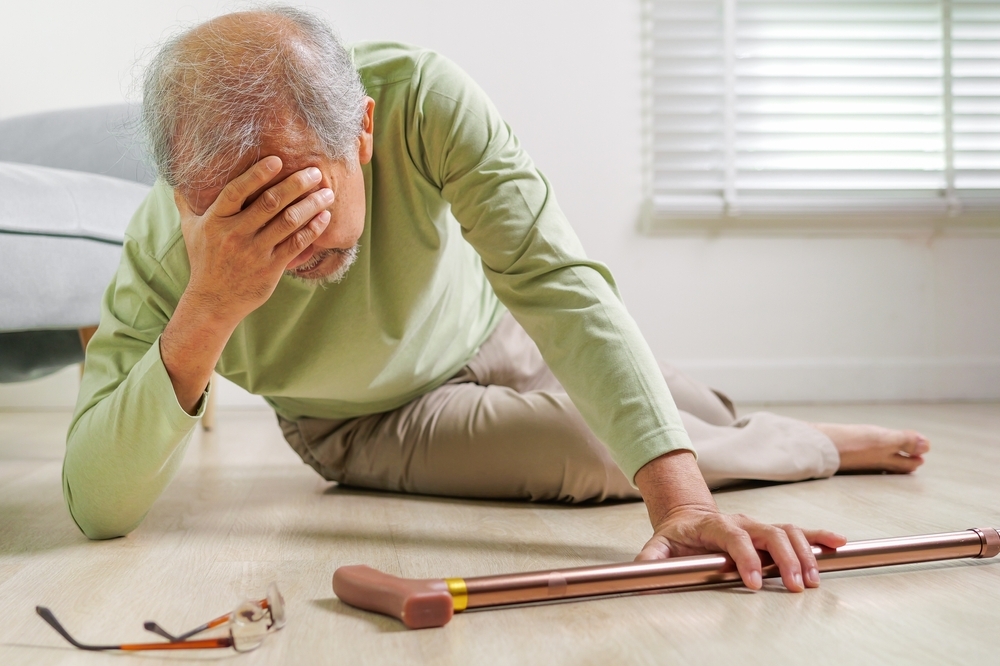
A fall in a nursing home is not always just an accident.
If your parent, spouse, or other loved one suffers a serious fall in a New Jersey nursing home, you may be left with more questions than answers. Was anyone helping them to the bathroom? Were they supposed to be monitored? Did staff know they were a fall risk? Was the facility simply too short-staffed to provide safe care?
These are not small concerns. For many South Jersey families, a nursing home fall is the moment when deeper problems begin to come into focus. A once reassuring facility may suddenly seem disorganized, inattentive, or evasive. You may start noticing unanswered call buttons, delays in basic care, unexplained bruises, or staff members who always seem rushed. In some cases, a fall is the first visible sign that a resident is not getting the attention, supervision, and protection they need.
At Andres, Berger & Tran, we help New Jersey families understand whether a nursing home fall was an unfortunate accident or a sign that proper care may have been lacking. When a vulnerable resident is hurt, your family deserves honest answers, clear guidance, and a meaningful opportunity to hold the right parties accountable. We handle claims involving nursing home negligence and abuse in New Jersey, and we understand how overwhelming these situations can feel.
Why a Nursing Home Fall May Be More Than an Accident
When a nursing home resident falls, the consequences can be severe, and the incident may raise immediate questions about whether proper precautions were in place. Older adults are more likely to suffer broken hips, head injuries, internal bleeding, and a significant decline in mobility after a fall. Even when the physical injuries begin to heal, the emotional impact can last much longer. Many residents become fearful, withdrawn, or less willing to walk afterward, which can create additional health concerns.
What makes these cases especially troubling is that many nursing home falls happen in situations where known risks may not have been properly addressed. A resident may try to get out of bed without assistance. They may be left unattended in the bathroom. They may not receive help transferring from a wheelchair. They may be taking medications that affect balance or alertness without proper monitoring. They may have dementia, confusion, or physical weakness that staff already knew about.
When appropriate precautions are in place, the risk of falls may be reduced. When those precautions may have been missing, families have every reason to ask whether neglect played a role.
Could Nursing Home Understaffing Have Contributed to Your Loved One’s Fall?
Understaffing is one of the most common concerns in nursing home neglect cases. When there are too few qualified staff members on duty, even basic safety measures can begin to break down.
A resident who needs help standing may not get it in time. A call light may go unanswered. A bed alarm may not be addressed promptly. A care plan may not be followed consistently. Staff members may be so overextended that they miss warning signs such as dizziness, confusion, restlessness, or repeated attempts to walk without assistance.
This matters because nursing homes are expected to assess each resident’s needs, identify known fall risks, and take reasonable steps consistent with the resident’s condition and care plan to reduce those risks. If your loved one needed help walking, transferring, toileting, or taking certain medications, those needs should have been recognized and addressed.
Many families describe the same uneasy feeling after a nursing home fall. They noticed delayed responses, difficulty finding staff, or aides who seemed to be doing their best without enough support. If that sounds familiar, it may be worth taking a closer look. In some cases, a serious fall is not an isolated event but part of a broader pattern of understaffing, poor supervision, or neglect.
Warning Signs a Nursing Home Fall May Involve Neglect
Not every fall means a nursing home violated the standard of care, but certain facts should prompt closer attention.
You may want to ask more questions if any of the following apply:
- Your loved one had a known history of falls
- The facility knew your loved one needed help walking or transferring
- Staff failed to respond to a call button or bed alarm
- The resident was left alone despite needing supervision
- You are receiving vague, inconsistent, or changing explanations
- There were delays in medical treatment after the fall
- You noticed poor documentation or missing incident details
- You repeatedly noticed signs that the facility may have been understaffed
- Your loved one has other possible signs of neglect, such as dehydration, poor hygiene, pressure injuries, or unexplained bruising
Families often sense when they are not being told the full story. You may be grieving, angry, and second-guessing yourself all at once. You may also worry about speaking up because your loved one still lives there. Those concerns are real, and they are one reason these situations deserve careful legal review.
What You Can Do After a Nursing Home Fall in New Jersey
If your loved one has fallen in a nursing home, try to stay calm and act quickly.
Start by making sure your loved one receives proper medical care. Ask for a full evaluation, especially if there is any chance of a head injury, fracture, or internal trauma.
It is also important to document what you can. Take photographs of visible injuries, the room, the bed, mobility devices, and anything else that may be relevant. Write down what staff told you, including names, dates, and times.
You may also want to ask for records, including the incident report, the care plan, the medication list, and notes relating to fall precautions or supervision needs. In some situations, it may also help to review publicly available facility information, such as survey findings and staffing data.
As you gather information, pay close attention to the facility’s response. Are staff members transparent? Defensive? Minimizing what happened? A facility should be able to explain what occurred, what precautions were in place, and what steps are being taken afterward.
You may also want to report serious concerns. In New Jersey, families can raise concerns through the Long-Term Care Ombudsman and, in some situations, through the New Jersey Department of Health as well.
Before assuming the fall was unavoidable, consider speaking with a New Jersey nursing home neglect lawyer. Important evidence may become harder to obtain over time, especially if no prompt investigation takes place.
Why a Nursing Home Fall Can Leave New Jersey Families Feeling Overwhelmed
For many families in South Jersey, placing a loved one in a nursing home was already an emotional decision. You may have chosen that facility because you believed your loved one would be safer there. A serious fall can leave you feeling betrayed, guilty, and unsure whom to trust.
That emotional burden is part of what makes these cases so painful. You are not just dealing with an injury. You are also dealing with the possibility that your loved one was not protected when they were most vulnerable.
Families deserve more than uncertainty and incomplete answers. You deserve to know whether staffing shortages, poor supervision, missed warning signs, or other lapses in care may have contributed to the fall. If they did, your family may have grounds to seek accountability through the appropriate legal channels.
How Andres, Berger & Tran Helps New Jersey Families Seek Answers
At The Law Offices of Andres, Berger & Tran, we understand that nursing home neglect cases are about more than paperwork. They are about dignity, safety, and trust. When a resident suffers a serious fall, we look at the full picture. That can include the resident’s fall risk, the care plan, staffing levels, supervision issues, the medical response, and any signs that the facility failed to provide appropriate care.
Our goal is to help families get answers, understand their legal options, and pursue accountability when a facility fails to provide safe care. We also evaluate potential personal injury claims arising from nursing home neglect and guide families through the next steps.
Talk to a New Jersey Nursing Home Neglect Lawyer at Andres, Berger & Tran
A nursing home fall should never be brushed aside when the warning signs point to understaffing or neglect. If your loved one was injured in a fall at a nursing home in Cherry Hill, Camden County, Burlington County, Gloucester County, or elsewhere in South Jersey, now is the time to ask hard questions. When a fall leads to the most serious consequences, families may also have questions about wrongful death claims.
Do not let a facility dismiss a serious injury before you get answers. Contact Andres, Berger & Tran today for a free consultation. We are ready to help your family understand your rights, investigate what happened, and pursue the legal options that may be available under New Jersey law.
Disclaimer: The articles on this blog are for informational purposes only and are no substitute for legal advice or an attorney-client relationship. If you are seeking legal advice, please contact our law firm directly.