
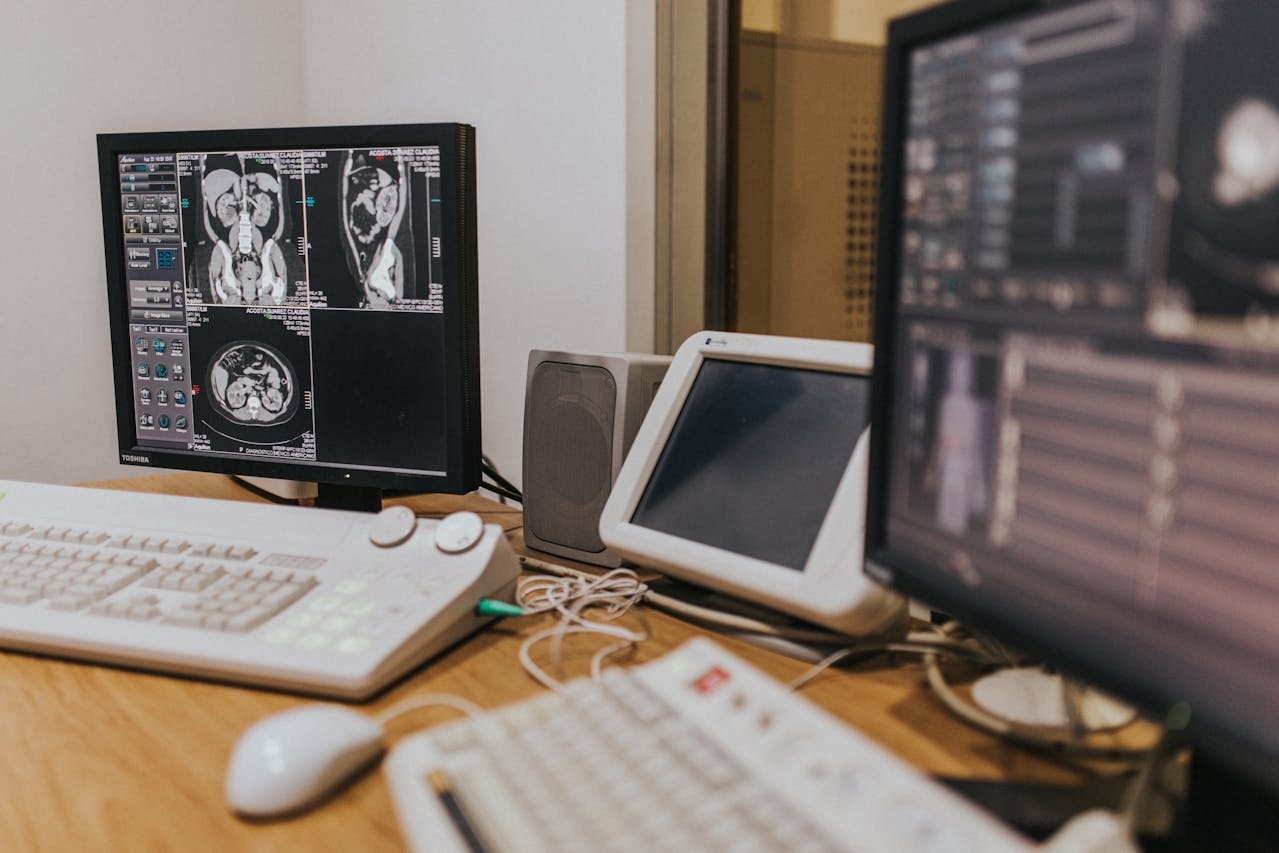
When a doctor tells you that your MRI, CT scan, or X-ray looks normal, you want to believe the worst is behind you. You may feel relieved for a moment. You may go home thinking the pain, numbness, dizziness, or weakness will pass. Then your condition worsens. You end up back in the hospital. You later learn that a fracture, internal injury, stroke, tumor, infection, or another serious condition may have been missed or may have called for quicker follow-up.
For many people in South Jersey, this is more than a stressful and confusing experience. Depending on what the imaging showed, how the results were interpreted, and how providers responded to ongoing symptoms, it may raise serious questions about whether the care received met the accepted standard.
At The Law Offices of Andres, Berger & Tran, we know how devastating a misdiagnosis can be. When imaging errors lead to delayed treatment, added pain, permanent injury, or the loss of a loved one, people are often left searching for answers while trying to hold their lives together. A missed radiology finding can change the course of treatment quickly and, in some cases, lead to serious, life-changing harm.
How a Missed MRI, CT Scan, or X-Ray Finding Can Lead to Serious Harm
Modern medicine depends heavily on imaging. Doctors use X-rays, CT scans, MRIs, ultrasounds, and other tests to identify serious conditions, guide treatment decisions, and rule out emergencies. When a scan is read correctly, it can help save a life. When a serious abnormality is missed, the consequences can be severe.
A radiologist may fail to identify a clear problem on the image. A treating physician may fail to recognize what the report means. A hospital team may fail to communicate an urgent result. In some situations, a patient may be reassured that everything looks fine despite the scan showing a finding that required closer attention or faster follow-up.
When that happens, the delay may affect the diagnosis and treatment of serious conditions such as:
- Broken bones and spinal injuries
- Internal bleeding after a car accident or fall
- Stroke or brain bleeding
- Cancerous masses or suspicious lesions
- Blood clots
- Infections or abscesses
- Organ damage
- Birth-related injuries and maternal complications
When imaging mistakes delay treatment, the window to prevent serious harm may close quickly.
What a Missed Imaging Finding May Look Like in Real Life
Radiology errors do not always happen in dramatic or obvious ways. In many cases, the problem becomes clear only after symptoms continue, worsen, or lead to another medical emergency. That is often when people begin to question whether something was missed the first time.
Some examples may include:
A Fracture That Was Missed on an X-Ray
A person visits the emergency room after a fall, workplace injury, or motor vehicle collision. The X-ray is described as normal, but the pain does not improve. Days later, another provider identifies a fracture, raising serious questions about whether the original imaging was interpreted appropriately.
A Stroke That Was Not Recognized on Imaging
A patient reports confusion, weakness, facial drooping, vision changes, or a severe headache. Imaging is performed, but signs of stroke may be missed or may not be acted on quickly enough. That delay can lead to more extensive brain damage and permanent disability.
A Suspicious Mass That Was Not Reported or Followed Up On
A radiology study may reveal a lesion in the lung, breast, brain, or another area. If the finding is overlooked, minimized, or never communicated clearly, the patient may lose valuable time for diagnosis and treatment.
Internal Injuries That Were Dismissed After Trauma
After a car accident or other serious incident, a patient may undergo imaging and still be discharged. If bleeding, organ damage, or a spinal injury were present but not recognized in time, the patient may face life-threatening complications after leaving the hospital.
When a Missed Imaging Finding May Support a New Jersey Medical Malpractice Claim
Not every bad medical outcome is malpractice. Medicine is complex, and some conditions are difficult to diagnose even when providers act carefully. But there are situations where a missed radiology finding may point to negligence.
In general, a medical malpractice claim may arise when a doctor, radiologist, hospital, or other provider fails to meet the accepted standard of care, and that failure causes harm.
In a radiology-related misdiagnosis case, important questions often include:
- Should the abnormality have been seen on the scan?
- Was the image interpreted reasonably and carefully?
- Did the provider order the right test under the circumstances?
- Were urgent findings communicated promptly to the treating team or patient?
- Did the doctor act appropriately after receiving the report?
- Did the delay in diagnosis make the injury worse?
These cases often require a careful review of the imaging, the radiology report, the medical records, the timeline of symptoms, and the treatment that followed. In many cases, the central issue is not simply that something was missed, but that the delay may have led to preventable harm.
How a Missed Imaging Finding Can Affect Your Health, Work, and Family Life
A missed radiology finding can affect nearly every part of a person’s life. For many people in South Jersey, that can mean more time in the hospital, more time away from work, more medical appointments, and more uncertainty about what the future will look like. What may begin as a delayed diagnosis can quickly become a financial, emotional, and practical crisis.
You may be dealing with:
- More invasive treatment than would have been necessary earlier
- Additional surgeries or hospital stays
- Permanent nerve damage, mobility loss, or cognitive impairment
- Lost wages and reduced earning ability
- Pain that disrupts sleep, work, and daily life
- Ongoing rehabilitation and follow-up care
- Fear, anger, and uncertainty about the future
Many people tell us that one of the hardest parts is realizing they trusted what they were told. They followed instructions and went home expecting things to improve. By the time they learned the full picture, the condition had progressed, and the consequences were much harder to undo.
That kind of stress is real, and it deserves to be taken seriously.
Why Many Patients Do Not Realize Right Away That an Imaging Error May Have Happened
Many people do not immediately suspect malpractice after being told that a scan was normal. They assume their worsening symptoms are unusual but unrelated. They may even blame themselves for not resting enough, following instructions closely enough, or returning to the doctor sooner.
Hospitals and providers also do not always explain what went wrong right away. Sometimes a new doctor discovers the problem. Sometimes a second imaging study reveals a finding that may not have been recognized earlier. Sometimes the truth comes out only after a medical emergency forces a deeper review.
That is one reason many people do not realize right away that an imaging error may have played a role. If your pain, neurological symptoms, weakness, shortness of breath, or other problems continued or worsened after a scan was described as normal, it may be worth asking whether the original imaging, follow-up, communication, and response to your symptoms were handled appropriately.
How We Investigate Missed Radiology Finding Cases at Andres, Berger & Tran
At The Law Offices of Andres, Berger & Tran, we treat missed radiology finding cases with the seriousness they deserve. Many people come to us feeling overwhelmed, frustrated, and unsure whether what happened to them rises to the level of malpractice. Our job is to closely examine what happened, determine whether the imaging and follow-up were handled appropriately, and assess whether a delayed diagnosis may have made the outcome worse.
To evaluate what happened, we may review:
- Radiology images and reports
- Emergency room and hospital records
- Follow-up records from other providers
- Timeline of symptoms and treatment
- Surgical records and later findings
- Expert medical opinions
- Evidence showing how the delay affected the patient’s condition
These cases are often complex, and they require careful preparation. We know that what may look like a normal scan on the surface can involve larger questions about interpretation, communication, follow-up, and patient safety. That is why we take the time to investigate the details and give the people we represent clear, informed guidance about their legal options.
Why It Helps to Speak With a New Jersey Misdiagnosis Malpractice Attorney
If you received care in South Jersey and are now wondering whether a missed imaging finding changed the course of your health, it may be time to speak with an attorney who understands how New Jersey medical malpractice claims are evaluated. These cases can involve strict deadlines and procedural requirements. In New Jersey, medical malpractice claims are generally subject to filing deadlines, and many cases require an Affidavit of Merit from an appropriate licensed professional after a lawsuit is filed. Because missed radiology cases can take time to investigate, it is important not to wait if you believe a delayed diagnosis caused serious harm.
If you are already asking whether something was missed and whether the delay made your condition worse, legal guidance can help you understand what happened and what options may be available.
When you are dealing with medical bills, missed work, follow-up appointments, and the emotional toll of a worsening condition, you should not also have to sort through the legal issues on your own. An attorney can review the facts, preserve important evidence, and help you decide what steps to take next.
Talk to a New Jersey Misdiagnosis Malpractice Lawyer About What Happened
When a scan is described as normal, but your condition gets worse, it is reasonable to ask hard questions. You deserve to know whether a serious finding was missed, whether the delay made your injury worse, and what legal options may be available to you.
At The Law Offices of Andres, Berger & Tran, we represent people throughout South Jersey and across New Jersey who are dealing with the fallout of misdiagnosis, delayed diagnosis, and other forms of medical negligence. If you believe a missed MRI, CT scan, or X-ray finding may have contributed to serious harm, we are prepared to listen, review the facts carefully, and explain your options.
A missed radiology finding can take away time, health, and peace of mind. Let us help you seek answers, understand your options, and move forward with experienced legal guidance. Contact Andres, Berger & Tran today to speak with a New Jersey misdiagnosis malpractice attorney about your situation.
Disclaimer: The articles on this blog are for informative purposes only and are no substitute for legal advice or an attorney-client relationship. If you are seeking legal advice, please contact our law firm directly.